
How to Care for Chrysanthemums: Complete Growing Guide
Learn how to care for Chrysanthemums with expert tips on planting, watering, pruning, winter care, pest control, and keeping mums blooming longer.
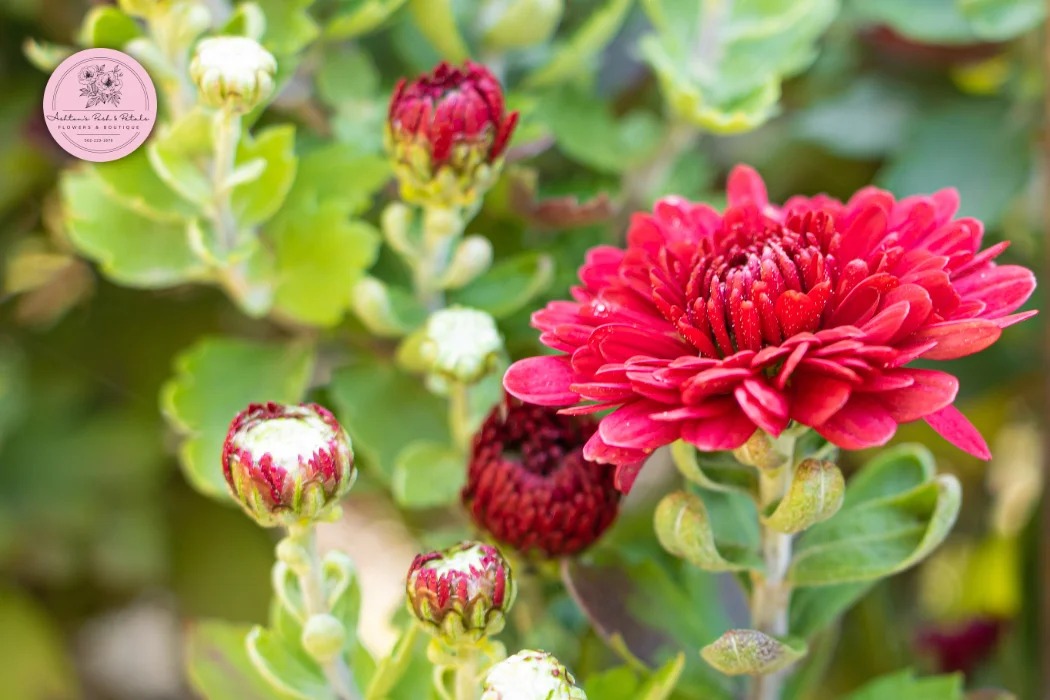
Chrysanthemums, commonly known as “Mums”, are one of the best plants for fall when not many flowers bloom. They enhance your garden's beauty with their vibrant blooms and varied colours. Moreover, Mums are highly recommended for decoration in weddings, birthday events, and other special ceremonies. Many beginner florists and gardeners have no clear idea about how to care for chrysanthemums.
This guide will be extremely beneficial in growing and caring for chrysanthemums. We are going to cover everything from choosing the plant to caring for it.
Are Chrysanthemums Perennials or Annuals?
The short answer is yes, most garden chrysanthemums are perennials. However, it mainly depends on the growing conditions. Mums that are planted in perfect soil and light conditions, following all fertilization guidelines, especially those planted in spring or early summer, are perennials. Most probably, these garden Mums will return for 3 to 5 years.
Same Mum's species from the florist, growing in pots, are usually annuals. Although technically they are also perennials, they bloom abundantly without proper care and are unable to withstand harsh winters. Similarly, in extreme cold regions, Chrysanthemums are annual. On the other hand, in moderate-weather areas, the same species may return for years.
Choose the right plant

Choosing the right variety is essential if you want chrysanthemums to return and bloom for years, regardless of care. So, it’s essential to choose the right plant from the garden; a florist plant usually lasts for one season. The plant should follow the following criteria:
- Dark green, disease-free foliage
- Strong, sturdy stems
- Compact growth
- Numerous unopened flower buds
- No signs of insect damage
- Moist but not waterlogged soil
Best Season to Plant Mums
In the United States, spring is the best time to plant Mums. So, Chrysanthemums have enough time to establish a strong root system and can easily withstand the extreme summer and winter. March to May are the spring months in almost all regions of the USA. There are huge chances that Mums planted during this period will come back the following year.
Right Planting Location
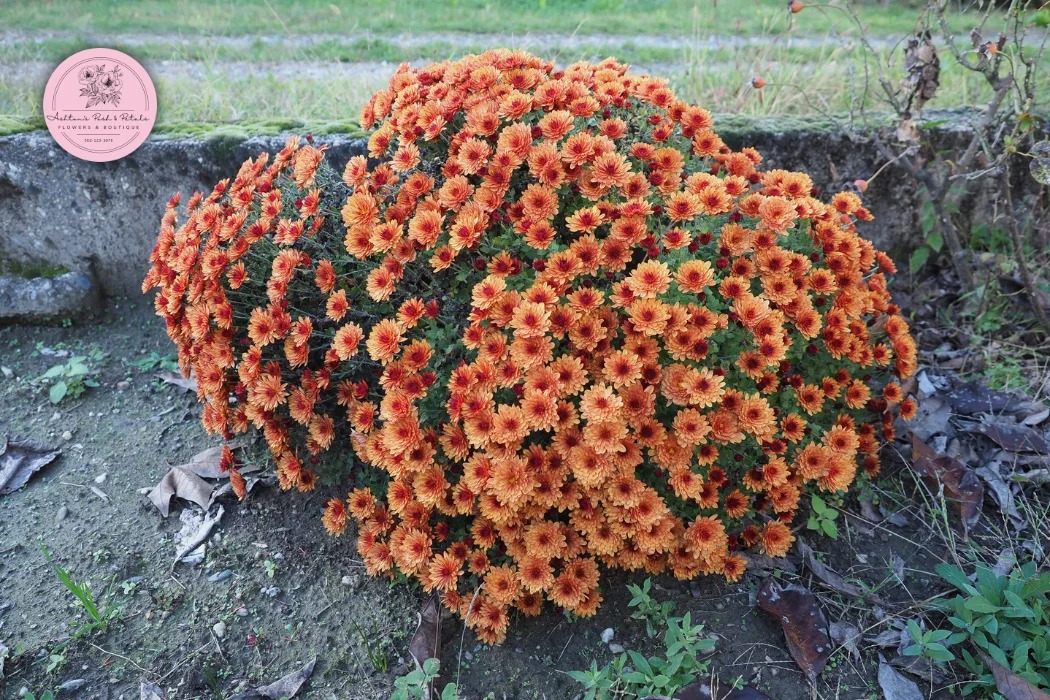
Many beginners make a mistake in selecting the right location for planting Mums. Without an ideal location, you can not grow and care for Chrysanthemums properly. Along with moderate wind conditions where air circulation is normal, light and soil conditions are essential factors to consider:
Light:
Sunlight is one of the key factors behind the Mum's vibrant bloom, so it should be managed perfectly. Daily 5 to 6 hours of direct sunlight is essential for ideal growth. In extremely hot climates, light afternoon shade can help protect plants from intense summer heat.
Soil Requirements:
Chrysanthemums grow best in fertile, well-drained soil that retains enough moisture without becoming waterlogged. A slightly acidic soil with a pH between 6.0 and 7.0 is considered ideal for Mums' natural growth. Moreover, the garden soil drainage systems should be optimized.
How to Plant Mums
The lifespan of chrysanthemums also depends on how well they are planted. Therefore, follow the instructions carefully while planting Mums in the garden bed or in a container.
In Garden Beds:
First of all, dig a proper hole in the perfect location of your garden; it should be twice as wide as the root ball. After digging the hole, mix compost thoroughly into the existing soil until it is evenly blended. Place the plant so that the crown is level with the soil surface, then backfill the hole and gently firm the soil around the roots. Ensure the stem remains above the soil line and is not buried. Finally, water the chrysanthemum thoroughly immediately after planting to help settle the soil and establish the roots.
In Containers:
Select a container with adequate drainage holes. Rather than simple garden soil, use a high-quality potting mix. The pots should be large enough to easily accommodate roots throughout the season.
Regular Watering
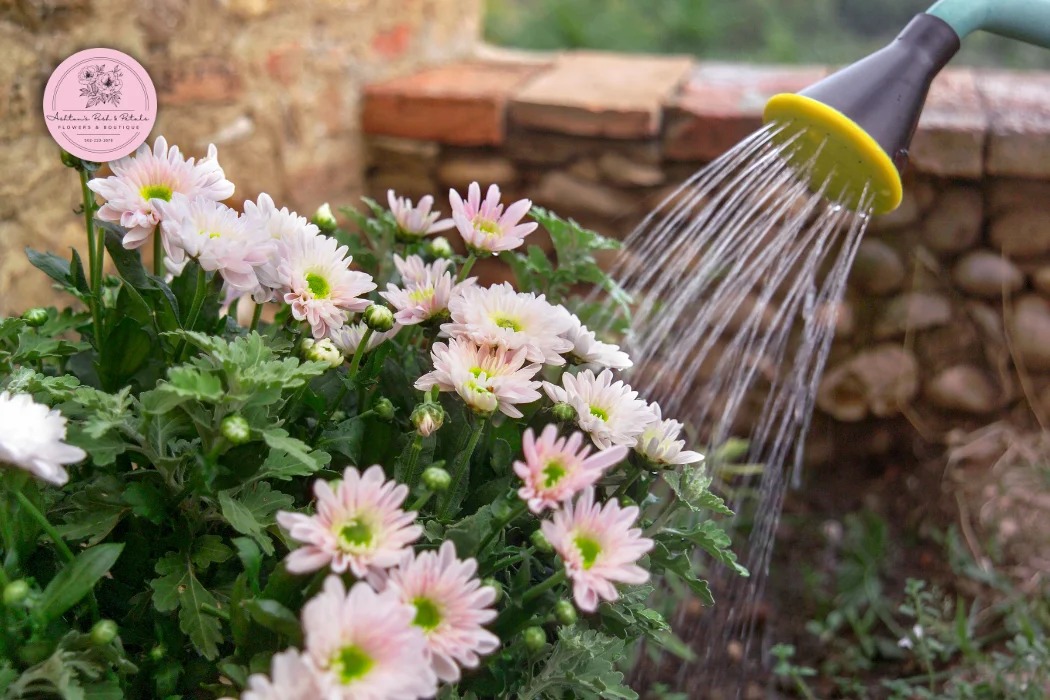
You have selected the right plant, the right location, and you follow the proper way of planting. However, you can not get the desired results without regular watering using the right approach. Follow some key points while watering Mums.
Newly planted chrysanthemums:
Water daily or every other day for the first couple of weeks, especially during warm weather, for root establishment.
Established garden chrysanthemums:
Water 2–3 times per week under normal soil conditions. In case of dryness, water 4-5 times per week.
During hot summer weather (above 85°F/29°C):Water every 1–2 days, especially if the soil dries quickly.
Container-grown chrysanthemums:
Check the soil daily. Containers dry out faster than garden beds and may require daily watering during hot weather.
Proper Pruning and Deadheading
Many beginners overlook this technique for increasing the lifespan of chrysanthemums. Pruning and deadheading not only maintain the shape and beauty of the plant but also strengthen it. Pruning usually required in spring, when new shoots are about 5-6 inches tall. Pinch the growing tips every 2–3 weeks until early to mid-summer.
Deadheading involves removing faded flowers throughout the season. This encourages the plant to continue producing fresh blooms rather than using its energy to produce seeds. If you find any yellow or damaged leaves, remove them quickly to reduce the risk of pests and fungal diseases.
Winter Care for Mums
Winter is the more challenging season for Chrysanthemums, and it’s hard to ensure their survival during this period. However, you can protect them with proper care. First of all, do not fertilize Mums after the summer. The watering should be proper and consistent until the ground freezes. In colder climates, add extra mulch such as straw or shredded leaves for additional protection.
Pest and Disease Control
Although Chrysanthemums are naturally resistant to pests and diseases, without proper care, they may be affected. Poor circulation and improper watering are the major reasons behind the disease.
Common Chrysanthemum Pests
Aphids: Aphids are small green, black, or brown insects that cluster on new shoots and flower buds. Spray the plants with a strong stream of water to dislodge the aphids.
Spider Mites: In hot, dry weather, Mums are often infested with spider mites. They feed on the undersides of leaves, causing yellow speckles, leaf discolouration, and fine webbing. Use horticultural oil and increase humidity around the plant to control these pests.
Thrips: They are slender insects that usually feed on flower petals and young leaves. Removing affected flowers is the best way to get rid of them. You can use neem oil or insecticidal soap to save other petals.
Leaf Miners: These insects' larvae tunnel through leaves, leaving winding, white trails. Remove affected leaves, keep the garden free from plant debris and use appropriate insecticides to control them.
Common Chrysanthemum Diseases
Powdery Mildew: This fungal disease looks like a white powder-like coating on leaves and stems. For prevention, water properly at the base, remove affected leaves, and apply fungicide.
Root Rot: This common chrysanthemum disease occurs due to waterlogged soil. Plant Mums in well-drained soil, avoid overwatering and improve drainage for prevention.
Leaf Spot: Leaf spot diseases cause brown, black, or yellow spots on the foliage, eventually leading to premature leaf drop. To save Mums, remove infected leaves, improve airflow between plants, and apply suitable fungicide.
Tips for Mums long-lasting blooms
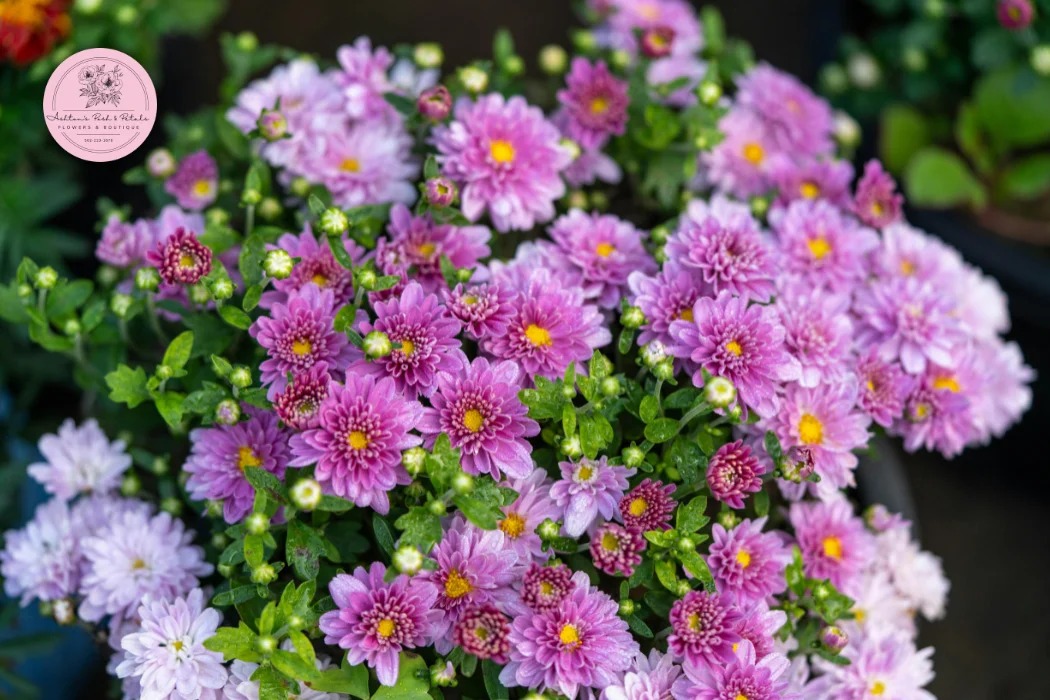
- Plant in Spring
- Proper Watering
- Fertilize during growth
- Pinching and Deadheading
- Control pests and diseases
Mistakes to Avoid
- Planting in shade
- Overwatering
- Improper spacing
- Fertilizing heavily
- Ignore pests
FAQs
How often should I water chrysanthemums?
Newly planted chrysanthemums should be watered daily or every other day for the first two weeks. Once established, water them 2–3 times a week, adjusting the frequency based on weather and soil moisture.
Are chrysanthemums annuals or perennials?
Most garden chrysanthemums (hardy mums) are perennials and can return every year with proper care. Florist mums are often treated as annuals because they are less cold-hardy.
What is the best time to plant mums?
Spring, after the last frost, is the best time to plant chrysanthemums. This allows the plants to establish strong roots before summer and winter.
How do I keep chrysanthemums blooming longer?
Deadhead faded flowers regularly, water consistently, fertilize during the growing season, and provide plenty of sunlight. These practices encourage continuous flowering and healthier plants.
Bottom Line
At the end, I would say follow the whole guide and tips to maintain the chysanthemums' beauty and health. If you follow all the instructions from planting to pest and disease control, Mums will bloom again the following years. Any of the mentioned mistakes may destroy the Chrysanthemums. Surely, you have a clear idea of how to care for Chrysanthemums.