
How to Care for a Peace Lily: Complete Guide
Learn how to care for a peace lily with tips on watering, sunlight, soil, pruning, and troubleshooting common problems for healthy indoor growth.
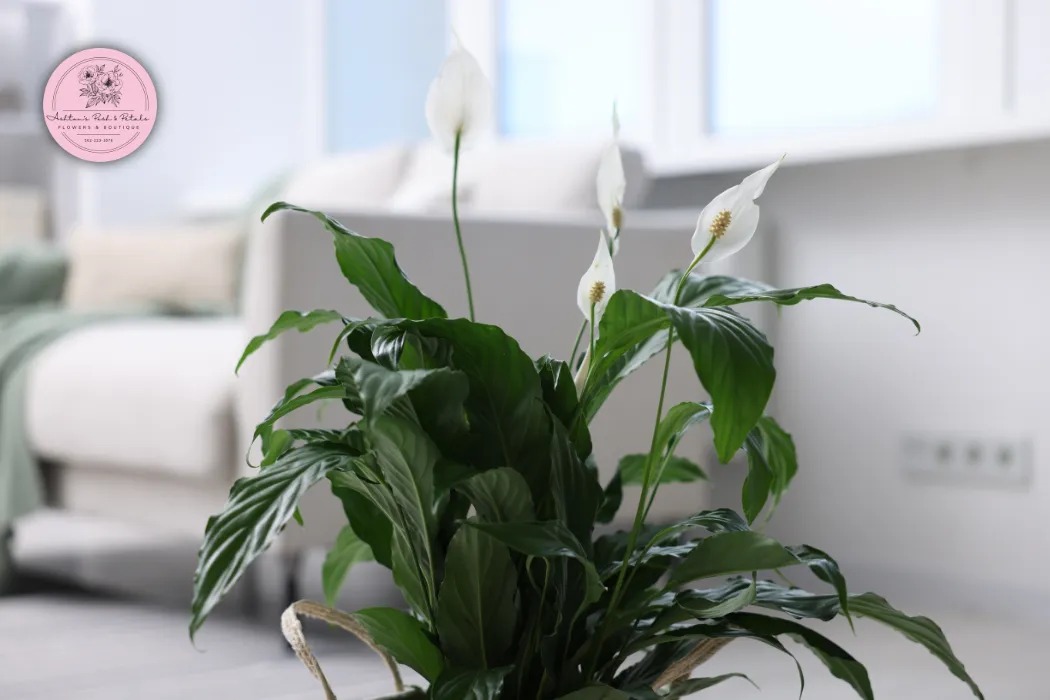
The peace lily is one of the most popular indoor plants. Many people prefer the peace lily for its fast growth and easy care. This tropical South American plant is different from a traditional lily. Interestingly, its leaves rise directly from the soil and bloom immediately. It blooms in spring and early summer, but peace lilies can flower year-round under suitable conditions.
Though it does not require much maintenance, it still needs care. You may face problems such as yellow leaves, brown tips and drooping foliage. After going through this comprehensive guide, you will have a clear idea of how to care for a peace lily.
What Are the Ideal Growing Conditions for a Peace Lily?
To understand the ideal growing conditions for a peace lily, we need to go back towards its native environment. This tropical plant is native to Central and South America, where it usually grows beneath tall trees. Such an environment offers enough moisture and indirect sunlight for the peace lily to grow.
So, we should provide similar conditions to the peace lily container. Bright, indirect light, slightly moist soil, warm temperatures and moderate humidity are essential for natural indoor growth.
How to Care for a Peace Lily Indoors
Multiple factors play a crucial role in the proper growth of a peace lily. We will discuss each in detail to ensure you can care for it.
Light Requirements
Peace lilies grow best in bright, indirect light. Place it near the small window where the intensity of sunlight is moderate. Especially, an east window is best because it provides bright morning sunlight. Keep in mind, the window should not be too small or covered; too little light slows the plant's growth.
On the other hand, direct afternoon sunlight may scorch the leaves and cause brown patches. If you notice leaves turning yellow, check the plant’s location.
Watering
Watering is essential for healthy peace lily growth. The plant prefers consistently moist soil, but overwatering or leaving its roots in water for too long can damage roots. To keep the soil moist, check the top inch of soil with your finger. If it feels dry, water the plant thoroughly until excess water flows through the drainage holes.
There is no fixed weekly watering schedule for a peace lily; it depends on the weather and dryness of the soil. Not only enough water but quality also matters; sometimes fluoride or other chemicals affect the leaves and blooms. Therefore, filtered water is highly preferred.
Soil and Potting Mix
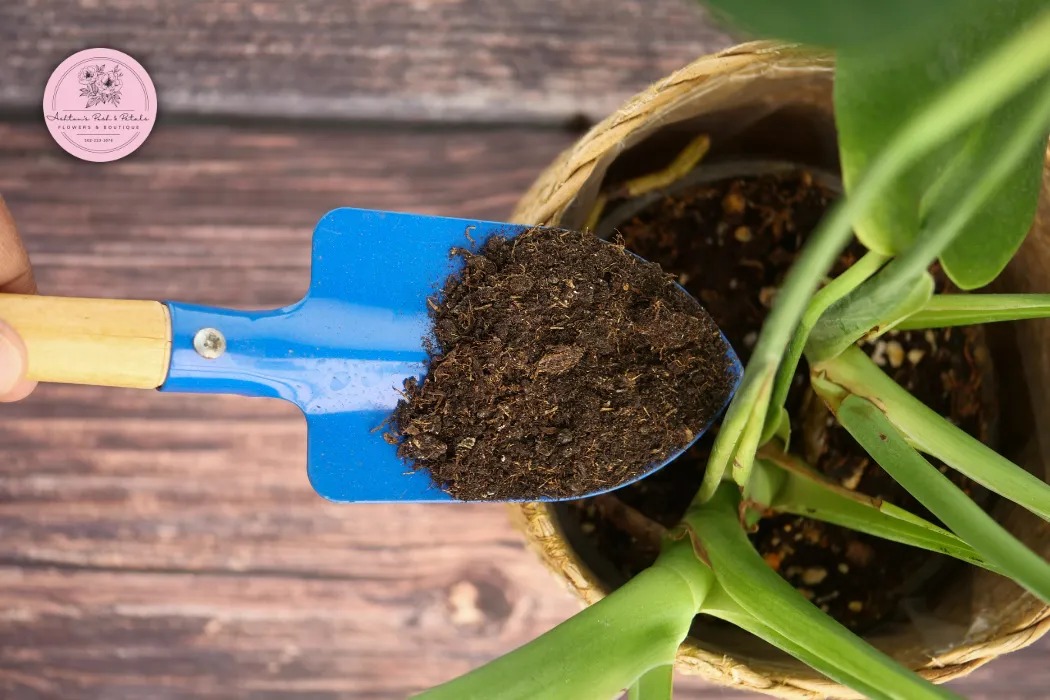
Many people overlook the importance of soil and potting mix, often blaming other factors for poor plant growth. Peace lilies need soil that retains enough moisture to keep their roots hydrated without becoming waterlogged. At the same time, the potting mix and container should provide good drainage to prevent excess water from damaging the roots.
Choose a pot with drainage holes at the bottom. A pot that holds too much extra soil can stay wet for longer, increasing the risk of root problems. So, moist soil with a proper drainage system is good for a peace lily.
Temperature and Humidity
Just like humans, peace lilies also need ideal temperature and humidity. Keep conditions a bit warm, with temperatures ranging around 65–80°F (18–27°C). They need extra care in winter; you can not place them near cold windows or doors that are used frequently.
Sudden temperature changes can stress the plant and cause drooping or damaged foliage. Similarly, in summer, direct cooling from an air conditioner is lethal for leaves and flowers.
Fertilizing
Peace Lily does not require heavy feeding; occasional feeding is enough for growth. You need to fertilize only during spring and summer when the plant is actively growing. Moreover, use a dilute amount of the balanced liquid houseplant fertilizer, such as one-quarter of the recommended strength according to the instructions.
Excessive fertilizer leaves salts in the soil that penetrate slowly and damage the roots. After fertilizing, if you notice any unexpected change, such as a change in the tips' colour, review the fertilizer. Flushing the soil with clean water every few months can help remove accumulated salts.
Peace Lily Maintenance
Pruning and Removing Dead Leaves
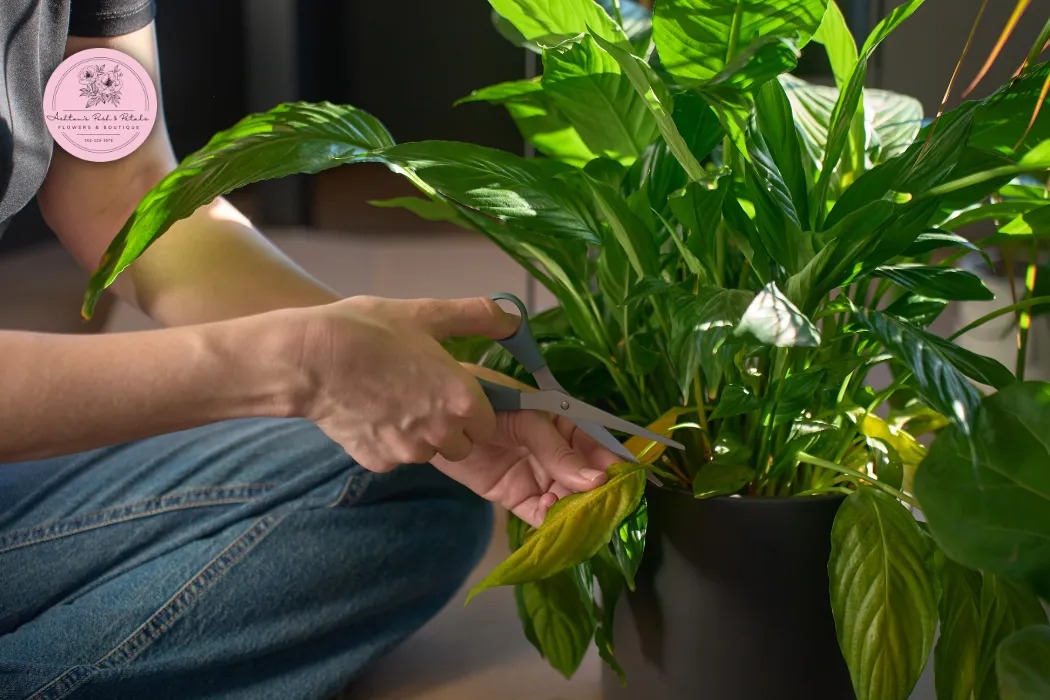
Regular pruning keeps your peace lily healthy and supports steady growth year-round. It requires little time or effort, but neglecting it can lead to poor growth and make the plant difficult to maintain. Cut yellow, brown or completely dead leaves near the base of the stems using clean, sharp scissors.
You also need to cut off faded flowers that turn green or yellow. Cut them properly to their base; otherwise, they will start creating problems. You have to prune regularly to ensure no yellow or green leaves or flowers are left.
Cleaning the Leaves
A peace lily's broad leaves can collect dust over time that ultimately dulls the foliage. Moreover, it reduces the amount of light that reaches the leaves’ surface, and they start to fade. Wipe the leaves gently with a soft, damp cloth.
In case of large plants, you can gently shower the leaves with normal plain water. Keep in mind, water should not be cold or too warm, and don’t use any household cleaners or leaf-shine products.
Seasonal Care
Peace lily care varies with the seasons. Spring and summer are the peak growing seasons, so the plant needs more attention during this period. Check the soil regularly, water when the top layer begins to dry, and apply fertilizer occasionally to support healthy growth.
In contrast, growth slows during fall and winter, and the soil takes longer to dry. Reduce watering and avoid overfeeding the plant during these cooler months.
Common Peace Lily Problems and Solutions
Yellow Leaves
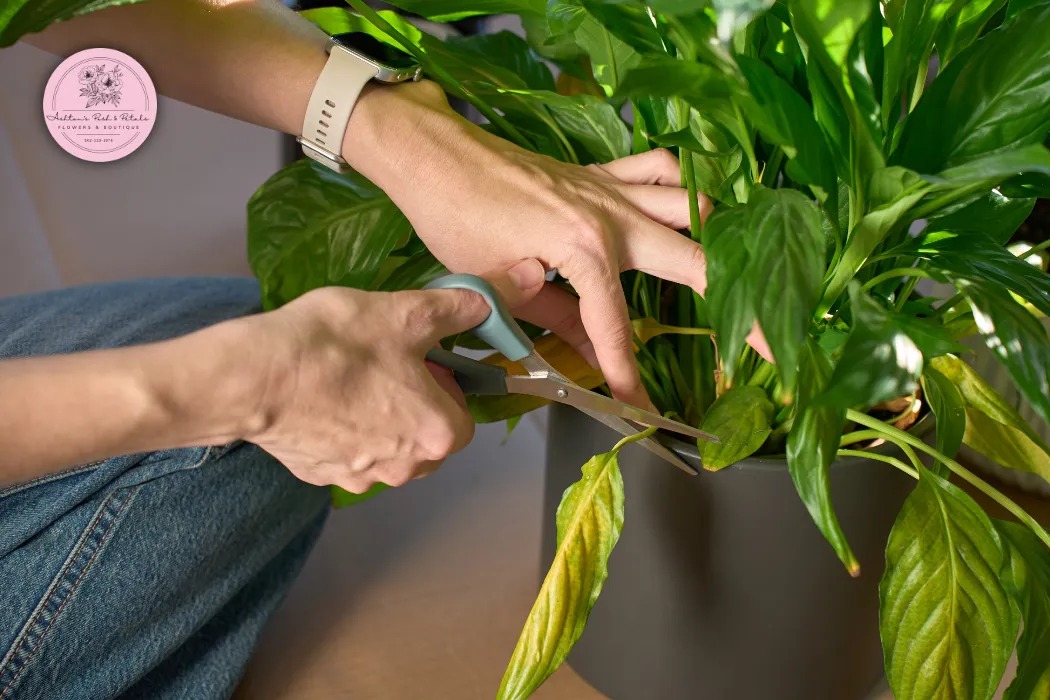
It is a very common problem with peace lilies. This may happen due to underwatering or overwatering. Sometimes, aging is the real cause behind yellow leaves. Old leaves near the base turn yellow over time; such leaves are not the problem.
However, if relatively fresh leaves start turning yellow, check the condition of the soil before watering. If the soil is already wet, do not water further. If the soil becomes too dry, water the plant thoroughly and adjust your regular watering schedule to maintain consistent soil moisture. Moreover, remove fully yellow leaves using clean scissors, but avoid cutting healthy foliage.
Brown Leaf Tips and Edges
If peace lily leaves tips or edges turn brown, that means your plant is suffering from low humidity, direct sunlight, poor watering habits or fertilizer buildup. Besides, normal tap water containing high fluoride may be the reason.
Check sunlight, humidity level and fertilizing routine; avoid exposing the plant to strong direct sunlight and low humidity levels. Place it in a suitable position away from direct sunlight. Also, follow the recommended feeding schedule and apply fertilizer according to the product instructions.
Damaged brown areas will not turn green again. You can remove badly damaged leaves, but focus on correcting the underlying cause to protect new growth.
Drooping and Wilting
Drooping is one of the major peace lily problems. It mainly happens when the soil dries out. As a result, the leaves may suddenly look limp, even when the plant appeared healthy earlier. Check the soil before watering. If it feels dry, water thoroughly and allow the excess to drain. The leaves often regain their shape after the plant receives enough moisture.
However, if the soil is already wet and the plant keeps wilting, don't give it more water. Check the drainage and ensure water drains properly through the holes.
Poor Growth
Sometimes, you may face the problem of poor growth with peace lilies. This may happen when a peace lily receives too little light, lacks nutrients or has limited root space. To fix this, place the plant in a bright location where it receive enough light.
Moreover, ensure balanced feeding during the spring and early summer (a period of active growth).
Lack of Flowers
It’s not very common, but sometimes a peace lily does not produce enough flowers even during the season. Insufficient light is one of the common reasons for poor flowering. So, if you are facing this issue, place the plant close to the window where it can receive enough bright light.
At the same time, you need to keep the plant away from direct sunlight. The plant's age is another reason behind the lack of flowers, because young plants may need time to mature before producing regular flowers.
Peace Lily Pests and Diseases
Common Pests
Peace lilies can occasionally attract spider mites, mealybugs, scale insects and fungus gnats. They affect plant growth badly, sometimes only damaging leaves; however, in a few cases they weaken the plant’s growth. If you find small white cotton-like patches, small bumps attached to the leaves or fine webbing on foliage. These are the signs your plant is suffering from a pest attack.
Sometimes, you may find tiny flying insects around the leaves. Fungus gnats are tiny flying insects often associated with consistently damp potting soil. Regularly inspect both sides of the leaves for any infestation, wash affected foliage with water or insecticidal soap depending on the leaves' condition and remove visible insects.
For fungus gnats, allow the soil surface to dry slightly between watering and avoid keeping the potting mix constantly wet.
Common Diseases
Root rot is one of the main disease problems affecting peace lilies. It often develops when the soil stays wet for too long, or the container has poor drainage. Many people fail to identify the problem early, allowing the damage to spread and potentially affect the entire plant.
Check the roots regularly for signs of damage, such as dark discolouration, soft or mushy texture, and unpleasant odours. These can indicate root rot. These are the symptoms that your plant is suffering from root rot. Immediately remove the plant from the container, cut the dark, soft roots with scissors, and repot it again in fresh, well-draining soil.
Frequently Asked Questions
How often should I water a peace lily?
Water when the top inch of soil feels dry. The exact frequency depends on the room temperature, light, pot size and soil. Always check the soil instead of following a fixed schedule.
Can peace lilies grow in low light?
Yes, peace lilies can survive in low-light conditions. However, their growth may slow down, and they may produce fewer flowers. Bright, indirect light is better for healthy growth and flowering.
Are peace lilies toxic to cats and dogs?
Yes. Peace lilies contain calcium oxalate crystals that can cause mouth irritation, pain and swelling if chewed. Keep the plant away from pets and young children. Contact a veterinarian if a pet eats part of the plant.
How often should I repot a peace lily?
There is no fixed repotting schedule. Many peace lilies need a new container every few years, but the plant's root growth is a better guide. Repot when the roots become crowded or grow through the drainage holes.
Bottom Line
Peace lilies are easy-to-maintain plants that thrive with minimal care and attention. Keep in mind, should receive bright indirect sunlight, enough humidity and usewell-draining potting mix. Regularly clean the leaves, remove damaged foliage and check for pests or signs of root problems. Follow the instructions given above on how to care for a peace lily for a healthy plant with abundant flowers.